trace·warrior
  • Tools
  • Monitoring
  • Pricing
  • Resources
  • About
Sign inGet started
trace·warrior

Network diagnostics for IT professionals. Built for speed, accuracy, and the long tail of the Friday afternoon outage.

ALL SYSTEMS NOMINAL
Tools
  • DNS Lookup
  • Ping Test
  • Port Checker
  • WHOIS
  • See all
Product
  • Monitors
  • Pricing
  • How-to guides
  • Compare
Resources
  • Blog
  • API docs
  • Tool index
  • Contact
Company
  • About
  • Privacy
  • Terms
  • Cookie policy
© 2026 Trace Warrior · made for engineers, by engineersnetwork forensics, quietly
blog

Field notes.

Short, opinionated writing about the things we keep tripping over. No marketing, no listicles.
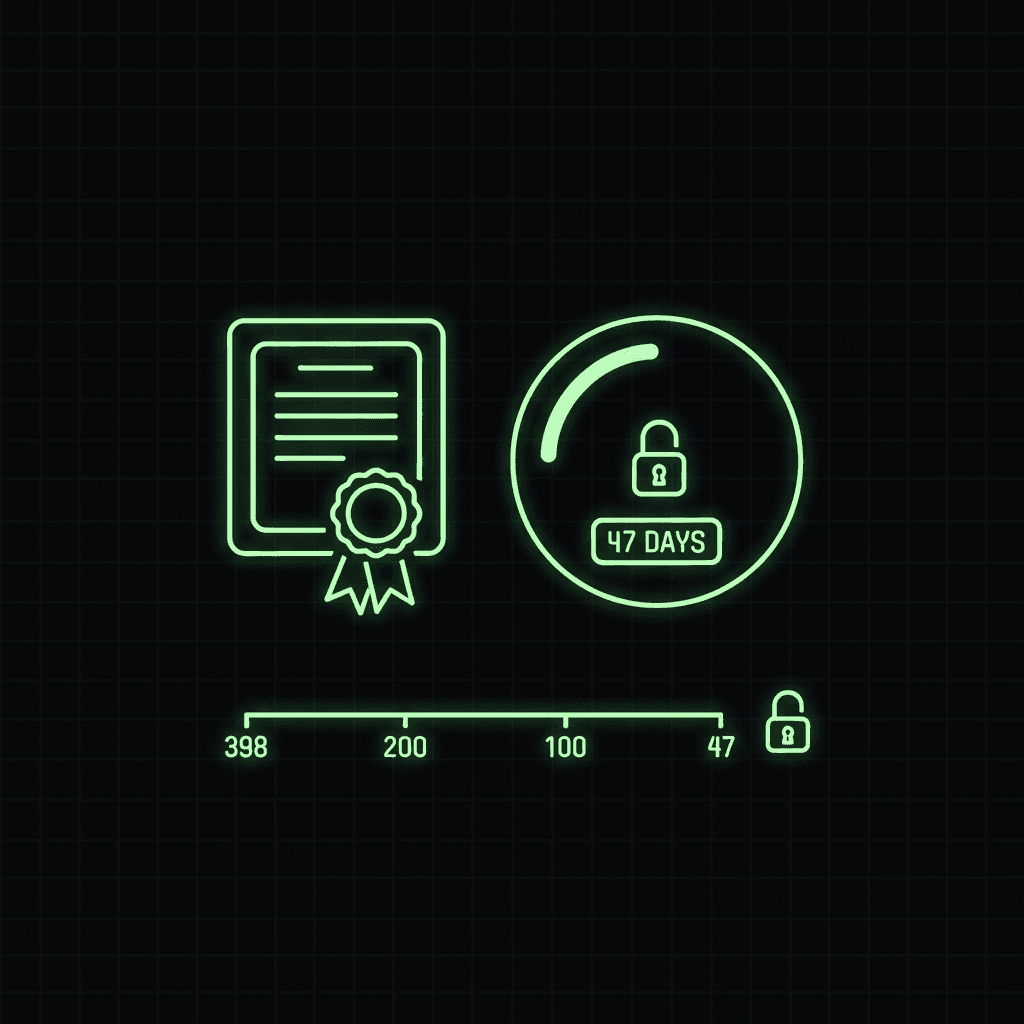
  • Green line-art certificate and a padlock gauge reading 47 DAYS above a slider marked 398, 200, 100, 47
    tls2026-05-17· 8 min read

    Apple's 47-day TLS certificates are official: what every team needs to do before March 2029

    Ballot SC-081v3 cuts public TLS cert validity from 398 to 47 days by 2029. The timeline, the renewal math, and what to automate now.
    Read
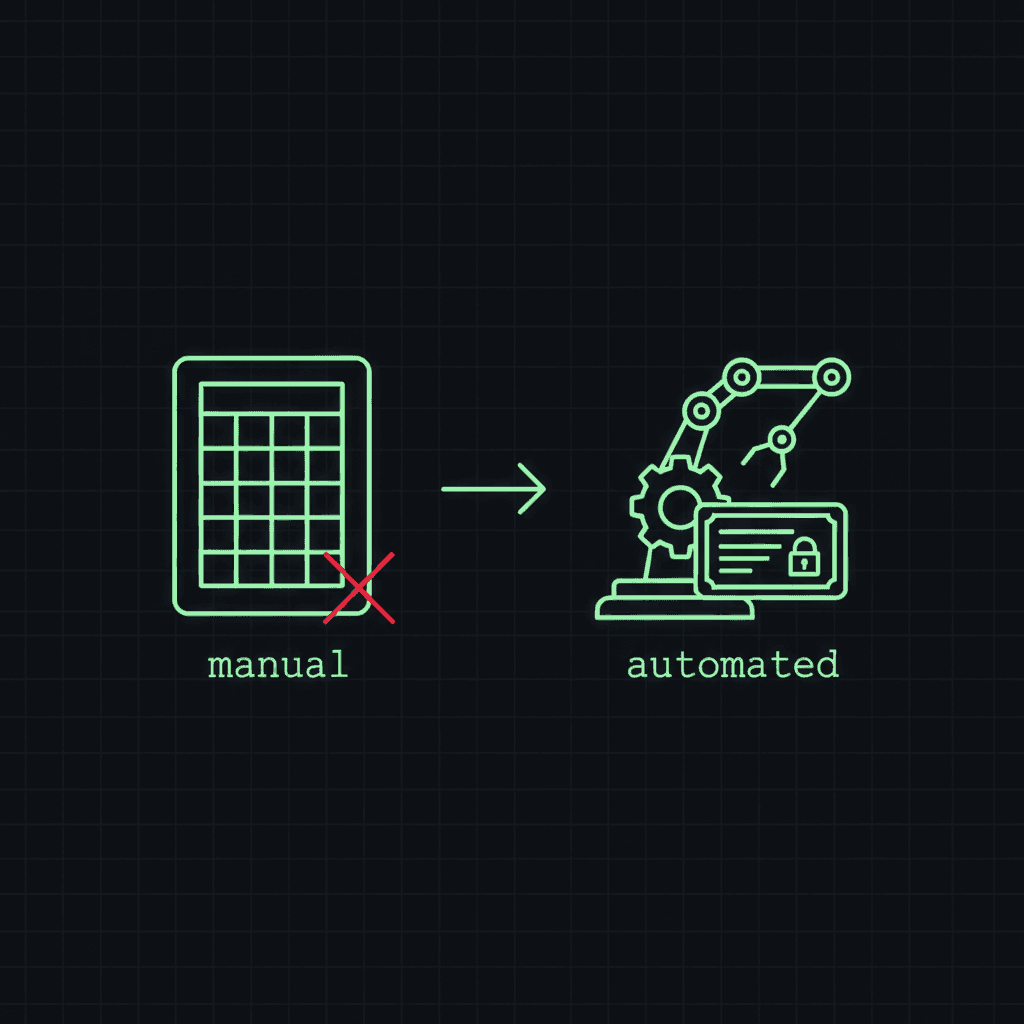
  • Green spreadsheet grid with a red cross labeled manual, an arrow pointing to a robotic arm, gear and lock labeled automated
    tls2026-05-17· 6 min read

    Manual certificate management is dying. Here's how to retire it before it retires you.

    By 2029 most teams will renew TLS certificates 8 times a year. The spreadsheet workflow is finally breaking. Here's what to replace it with.
    Read
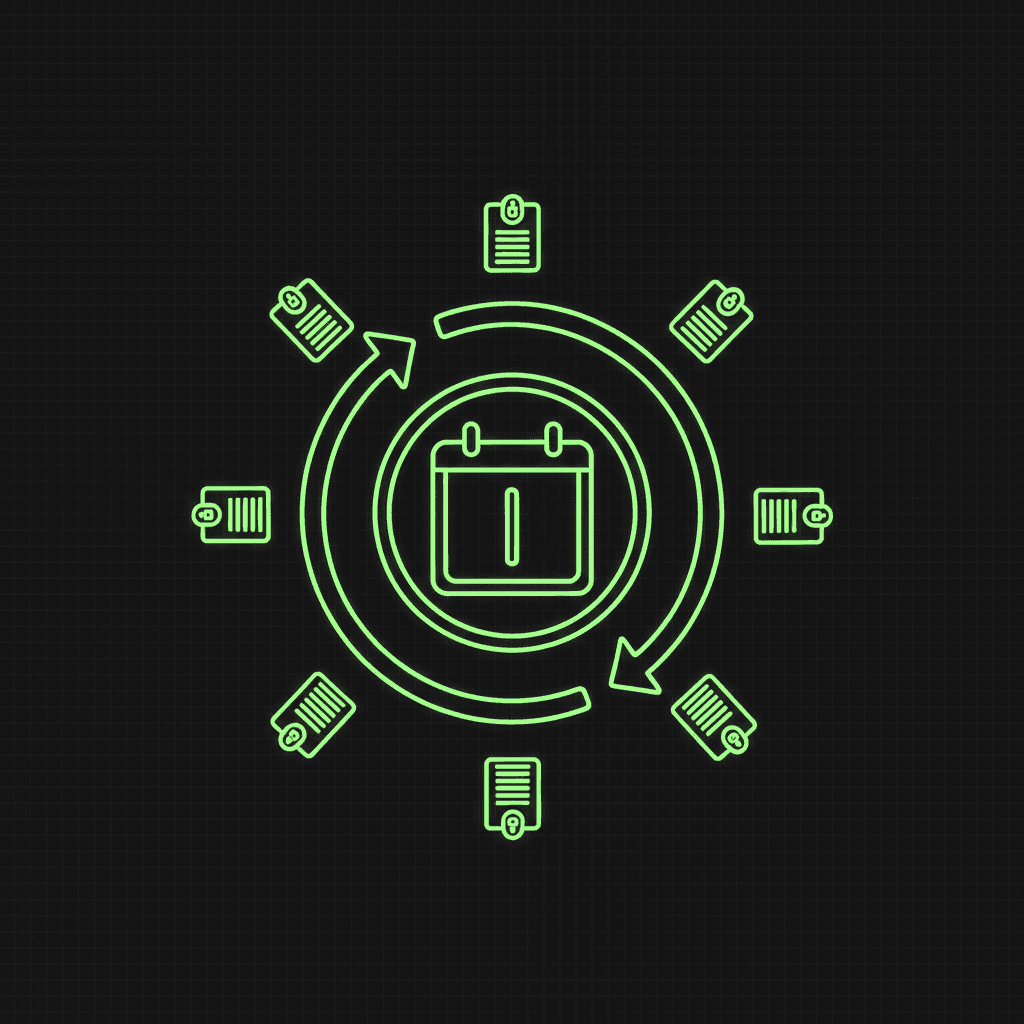
  • Green calendar icon encircled by two curved renewal arrows, ringed by eight small document and certificate icons
    tls2026-05-17· 3 min read

    How often will you renew SSL certificates? A frequency table from 2025 to 2029

    TLS cert validity drops in phases: 398 days now, 200 in 2026, 100 in 2027, 47 in 2029. How many renewals a year that really means.
    Read
  • Dark dashboard panel with three stacked status pills, green OK, amber WARNING, red CRITICAL, crossed by a red heartbeat line
    product2026-05-13· 5 min read

    Why we added monitoring (and changed the pricing)

    We shipped v1 as usage-metered SaaS. Two months in, we rewrote the business model. Here's why, and what it means for free and paid users.
    Read
  • Faint green world map with a bright glowing node at the center sending lines out to smaller dots across the continents
    DNS2026-04-22· 6 min read

    Understanding DNS propagation

    Why a DNS change takes hours to land, what's really happening in resolver caches, and how to verify your records with TTL-aware checks.
    Read
  • Grid of small rectangular boxes glowing green and red on a dark gridded backdrop, forming a scattered port map
    security2026-04-15· 5 min read

    Port security basics, the short version

    What ports to keep closed, what to monitor, what to do when something unexpected is listening, and the audits worth running quarterly.
    Read
  • Glowing green binary digits 00101 00ff81 110f98 above a semicircular gauge reading /24 on a dark grid
    networking2026-04-08· 6 min read

    Subnet mastery, the short version

    The four numbers worth memorising about IPv4 subnetting, how CIDR actually works, and how to spot common subnet mistakes in production.
    Read
  • Green text 00ff8 beside blue circuit traces forking to a triangle and spiral glyphs, leading to a chip icon on the right
    networking2026-04-01· 5 min read

    MAC address forensics for non-investigators

    What a MAC address tells you about a device, and what it hides once iOS or Android randomises it. OUI lookups and their limits.
    Read
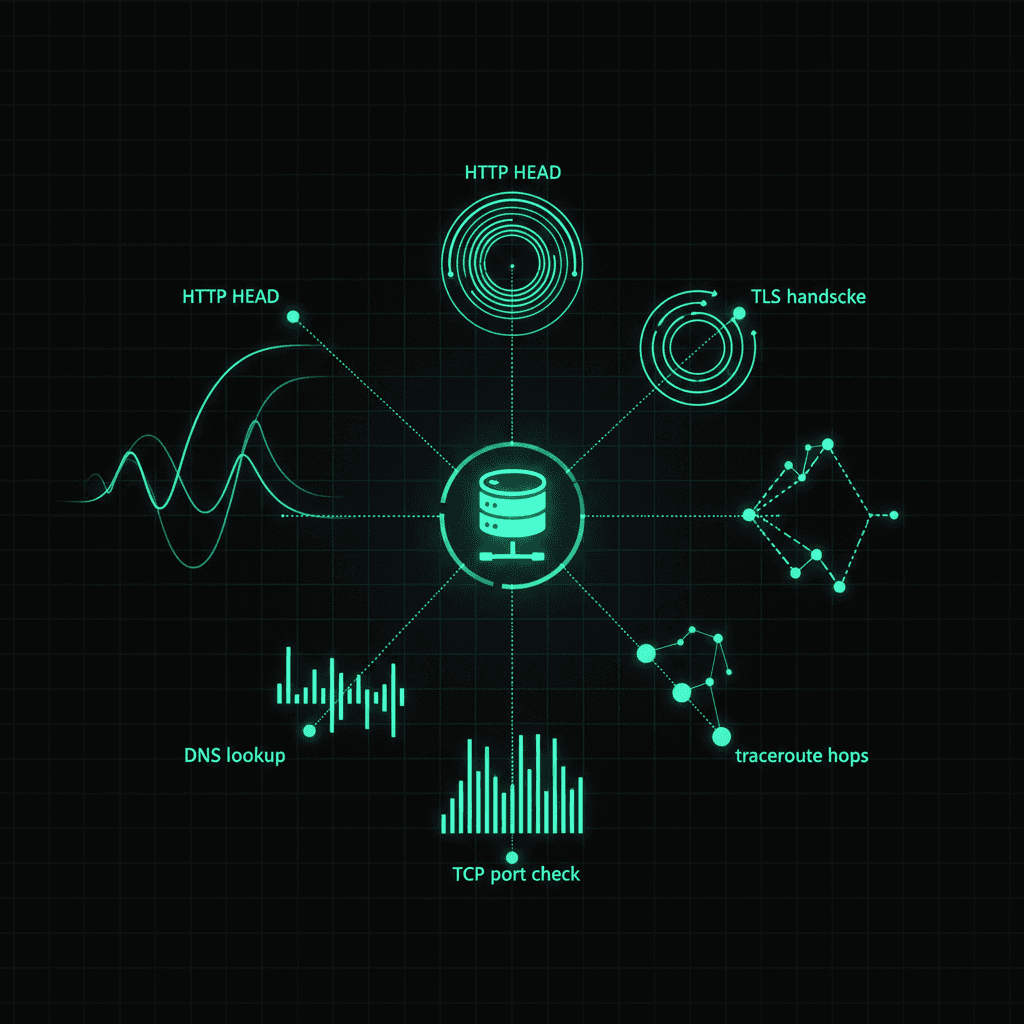
  • Green database icon at the center of a hub with six labeled spokes: HTTP HEAD, TLS handshake, traceroute hops, TCP port check, DNS lookup, and a waveform
    networking2026-03-25· 6 min read

    Beyond ping, five better signals for "is it up"

    ICMP is one signal out of many. Here are five other connectivity checks that actually tell you whether your service is reachable, plus when each one matters.
    Read
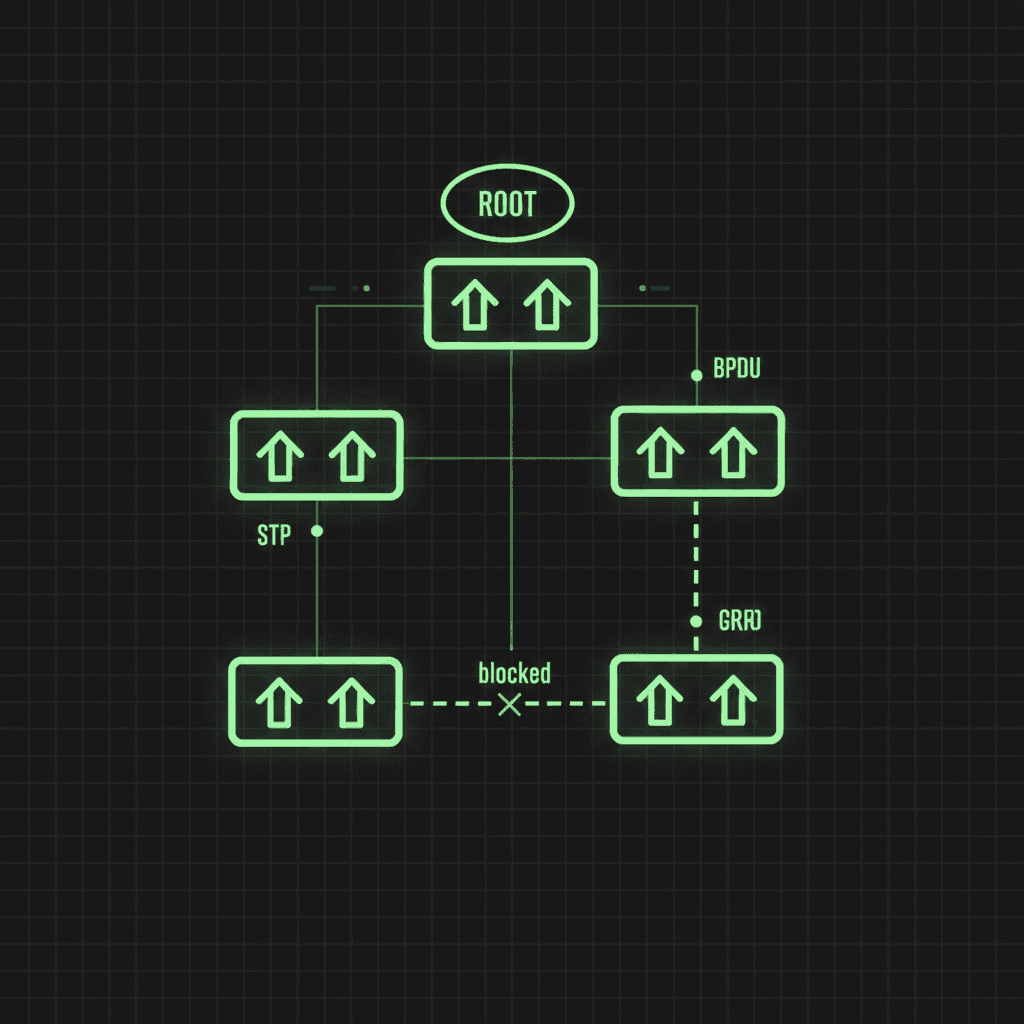
  • Green tree diagram with a ROOT oval atop switch boxes of up arrows, links labeled STP, BPDU and DRO, and one dashed path marked blocked with an X
    networking2025-06-21· 5 min read

    Spanning tree simplified, preventing layer 2 loops

    How Spanning Tree Protocol stops layer 2 loops, the misconfigurations that cause network meltdowns, and the settings that make STP boring again.
    Read
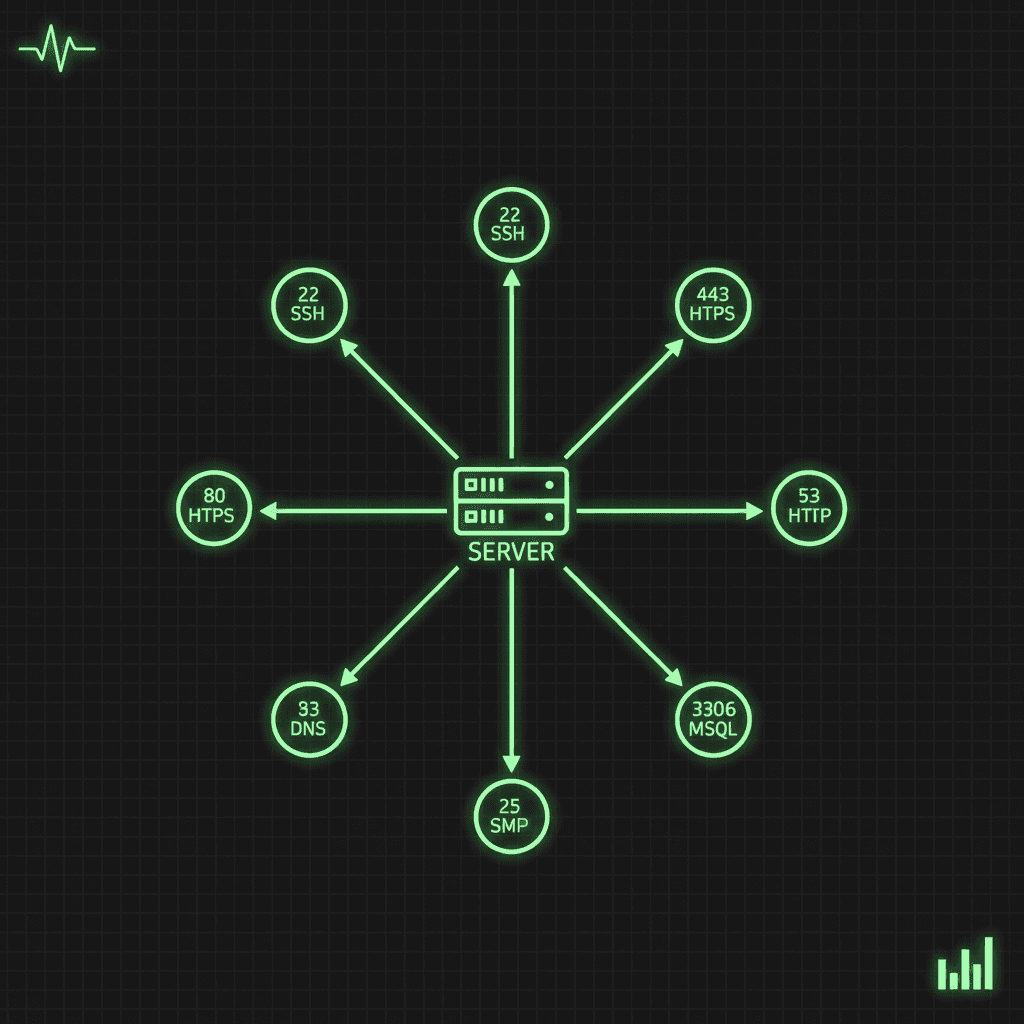
  • Green SERVER box at the center with eight arrows radiating to circular nodes labeled with ports like 22 SSH, 443 HTTPS, 80 HTTP, 53 DNS, 3306 MySQL
    networking2025-01-13· 6 min read

    Common network ports, a working reference

    Every TCP and UDP port worth memorising, from well-known to ephemeral ranges, plus the security rules that keep open ports from hurting you.
    Read
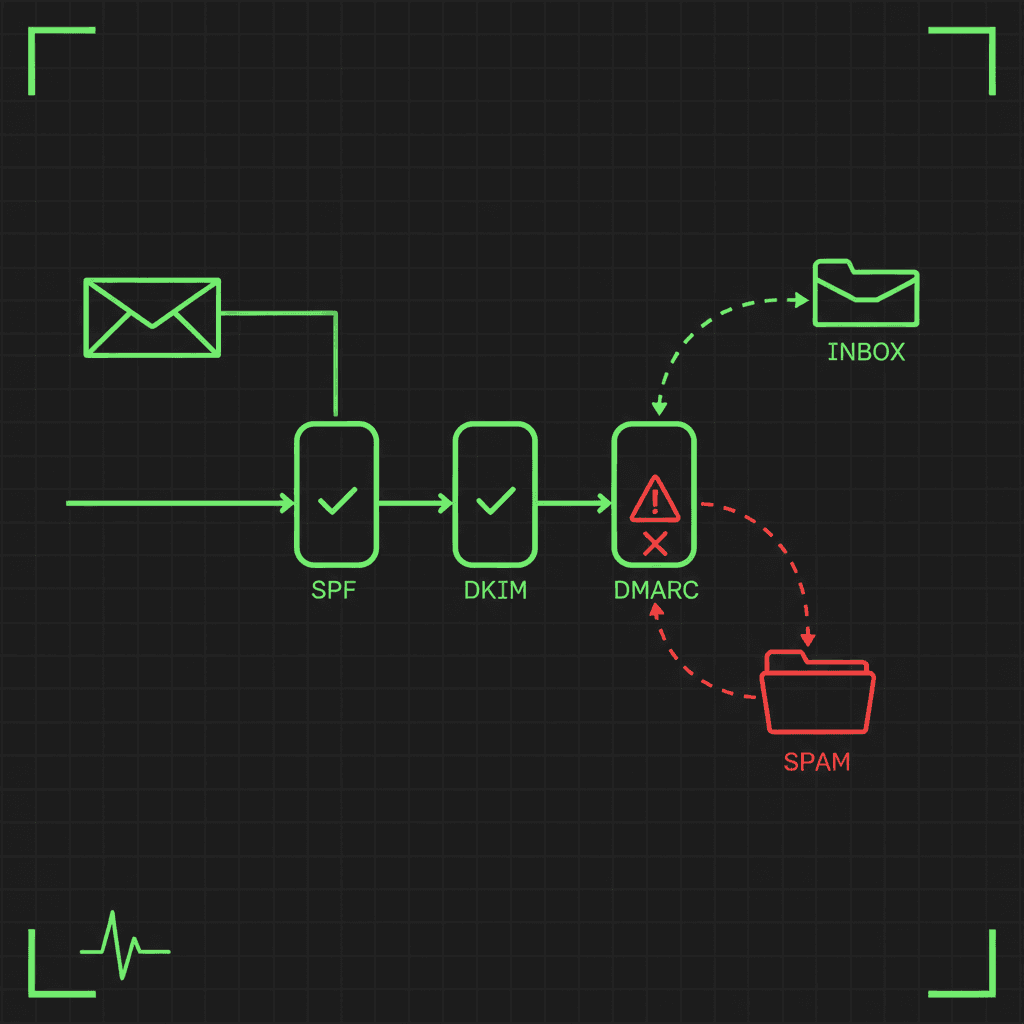
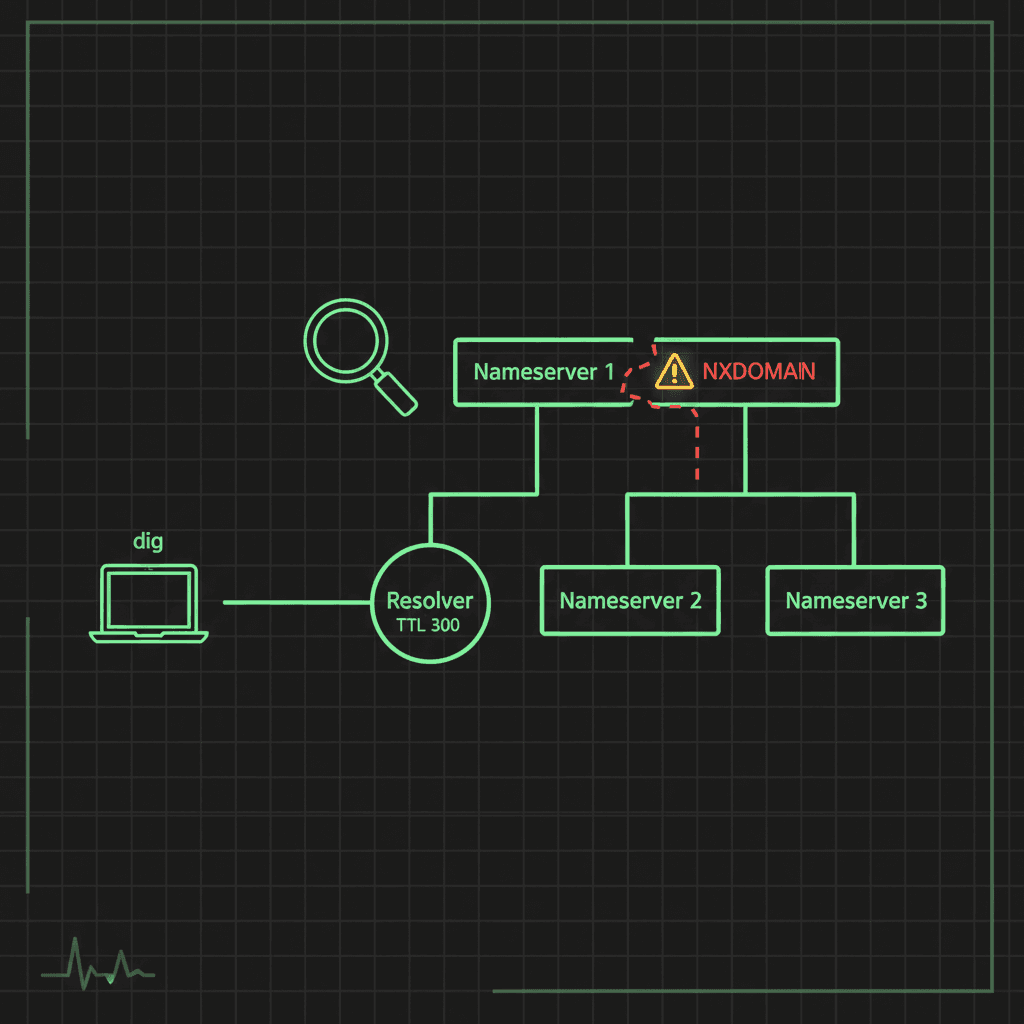
  • Green flow diagram of a laptop running dig to a resolver and three nameservers, with Nameserver 1 flagged by a red warning triangle and NXDOMAIN
    networking2025-01-13· 5 min read

    DNS troubleshooting, from symptom to root cause

    A step-by-step process for diagnosing DNS failures, covering NXDOMAIN errors, dead resolvers, slow lookups, and the dig commands that find the cause.

    Read